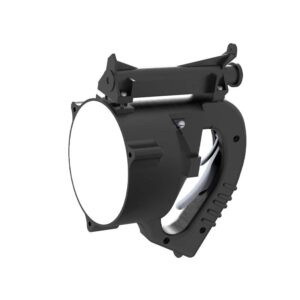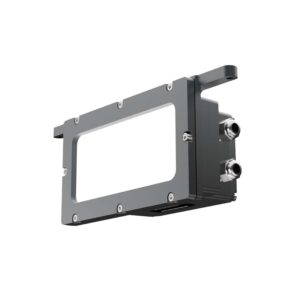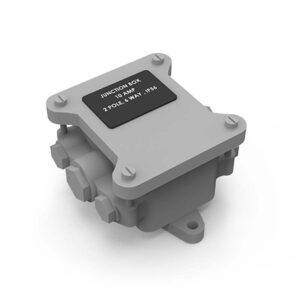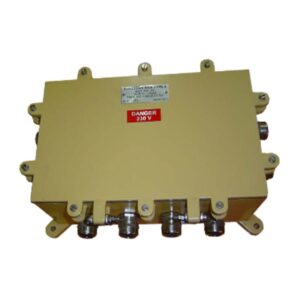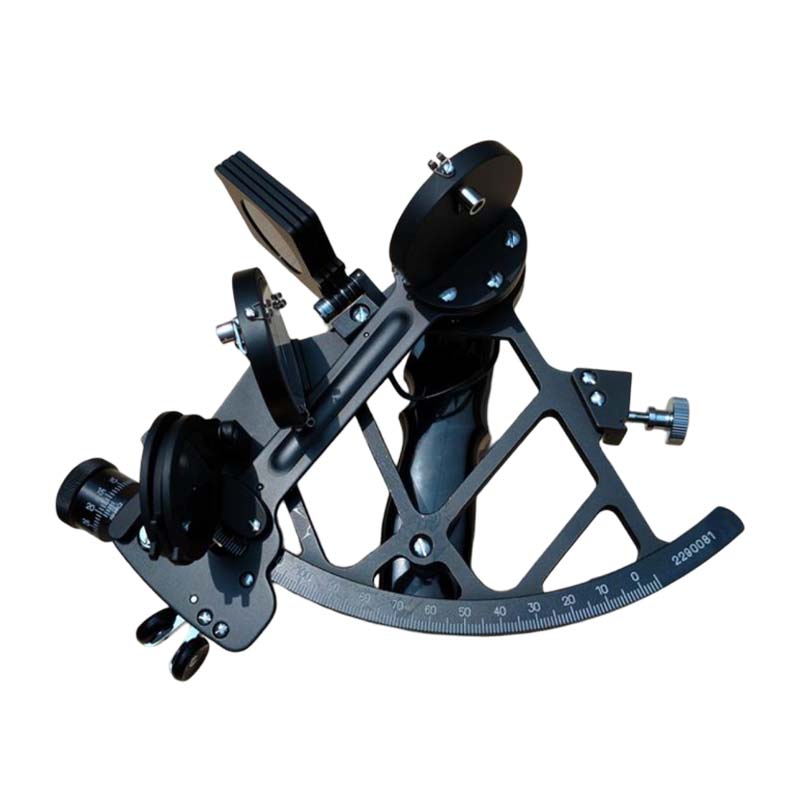
A marine sextant is an angular measuring optical instrument used for navigation by measuring celestial body altitudes. Errors like Vertical, Lateral, and Index are pre-adjusted but must be checked before use.
Structure
Main parts: Arc, Index Arm, Index Mirror, Horizon Glass, Micrometer Drum, Vernier, Filters, Lighting Unit, Clamp, Handle, Telescope, Adjusting Screws.
Packing
Includes sextant, two telescopes (erect & inverted), eyepiece, key, oil bottle, brush, flannel, and manual.
Errors & Adjustments
- Perpendicularity Error – Adjust index mirror upright using screw at the back.
- Side Error (Lateral) – Adjust horizon glass upright; use screws at the back until reflected and true stars coincide.
- Index Error – Adjust horizon glass parallel to index glass at 0°.
- Collimation Error – Align telescope axis parallel to sextant plane using stars; adjust with opposing screws.
Operating Instructions
- Keep sextant ready in case for quick use.
- Know height of eye (H.E.) for accuracy.
- Daylight: Use erect telescope; Twilight/Night: Use inverted telescope for brighter horizon.
- Always check index error before taking sights.
- Beginners should practice at anchor, and compare results with charts or experienced observers.
Usage
- Celestial Sights: Measure angle between horizon and celestial body.
- Vertical Angle: Measure height of lighthouse/mountain to find distance off.
Horizontal Angle: Fix vessel’s position by measuring angle between three shore objects.